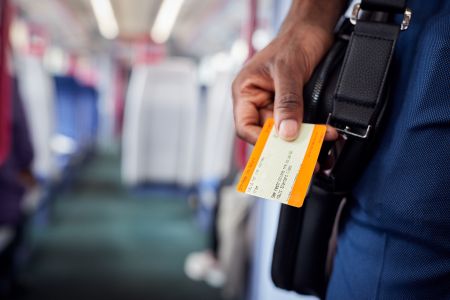
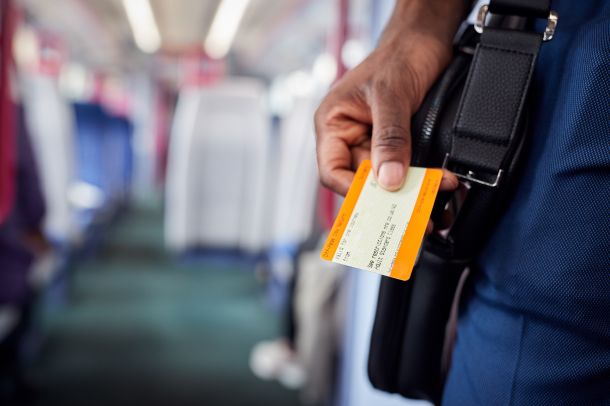
Unfortunately, part of their role entails carrying several heavy pieces of equipment, including handheld ticket scanners, ticket machines, printers and separate devices for issuing penalty notices. All this equipment can quickly add up, creating unnecessary physical demands, making everyday tasks more complicated, and taking attention away from what really matters: delivering an effective service and protecting rail revenue.
But does it really need to be this way?
The hidden burden of carrying multiple devices
Having the right technology is essential, but when different processes require different devices, the equipment itself can become a burden.
According to the Health and Safety Executive (HSE), an estimated 511,000 workers in the UK suffered from work-related musculoskeletal disorders in 2024/25, identifying transportation and storage as industries among the worst affected.
While these figures relate to the wider workforce rather than rail ticket inspectors specifically, they highlight the importance of considering the physical demands placed on frontline staff and finding practical ways to make every day working environments easier and safer.
A smarter approach to revenue protection
Technology should make frontline roles easier and more efficient, not give staff more equipment to carry.
This is where Raspberry Software’s TIPS revenue protection software offers a practical alternative. Designed around the demands of the UK rail industry, TIPS brings key revenue protection processes together in one application that operates across Android smartphones and tablets. It also integrates with third-party applications, reducing the need for additional hardware and separate systems. Instead, inspectors can use TIPS to issue unpaid fare notices, penalty fare notices, and warning notices all from a single device. In addition, the app can operate without an internet connection, allowing inspectors to issue notices even when working in signal blackspots.
To support accuracy and consistency, mandatory information is built into the notice creation process, guiding inspectors through the details required before a notice is issued. Information is then integrated with Raspberry Software’s TIPS back-office system, allowing the revenue recovery process to begin as soon as a notice is issued.
By bringing these functions together, TIPS offers operators a more connected approach to revenue protection while helping frontline employees spend less time managing equipment and more time focusing on their responsibilities.
Putting frontline employees first
The benefits of simplifying technology extend beyond the equipment itself.
When staff have fewer devices to manage, there are fewer things to charge, maintain, troubleshoot and keep track of. It can also make training and everyday processes more straightforward, allowing employees to concentrate on their responsibilities rather than navigating multiple pieces of hardware.
For train operators, investing in technology that considers the needs of employees can support operational efficiency and improve the working experience.
Modernising revenue protection should not just be about improving the way operators identify fare evasion or recover lost revenue. It should also consider the people responsible for delivering these processes every day.
Because sometimes, improving the working day does not mean giving employees more technology. It means making better use of the technology they already have. Our clients frontline staff carry 40% less devices than other revenue protection software provider.
Contact our team to find out more about how Raspberry Software can help your revenue protection teams work smarter, with fewer devices and a more connected approach to the entire revenue protection process.